
Best Tokenization Platforms 2025: Enterprise Comparison Guide
Selecting the right tokenization platform is one of the most critical decisions for enterprises looking to tokenize assets. The platform you choose will determine your regulatory compliance, investor reach, technical capabilities, and long-term scalability.
This comprehensive guide compares the leading enterprise tokenization platforms, analyzes their features, pricing, and use cases, and provides a decision framework to help you choose the platform that best fits your business needs.
For comprehensive context, see our Ultimate Guide to Tokenization and RWA. Learn about compliance in our Tokenization Legal Structure guide.
Table of Contents#
- What is a Tokenization Platform?
- Why Enterprises Need Tokenization Platforms
- Platform Comparison Matrix
- Detailed Platform Reviews
- Platform Selection Framework
- ROI Analysis
- White-Label vs. Build vs. Buy
- Enterprise Requirements
- API Integration & Developer Tools
- Security & Compliance
- Common Questions
What is a Tokenization Platform?#
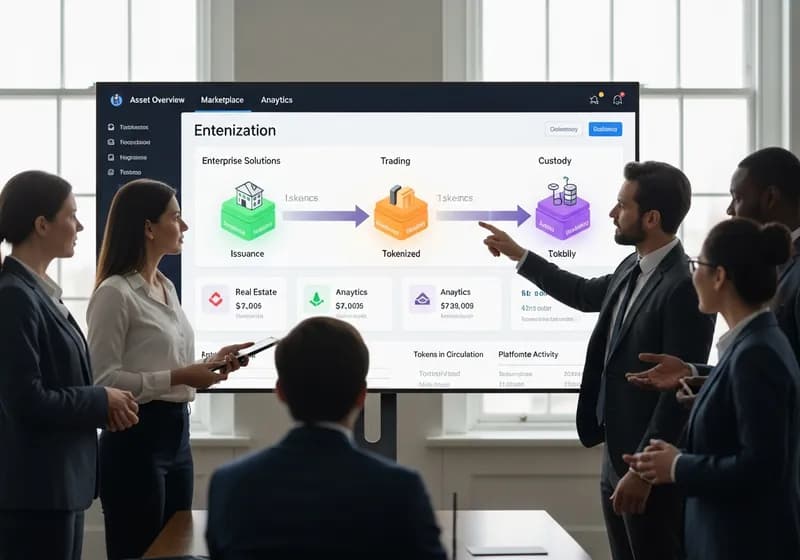
A tokenization platform is software infrastructure that enables asset owners to convert real-world assets (real estate, securities, commodities, etc.) into digital tokens on a blockchain. These platforms handle:
- Legal Structure: SPV formation, regulatory compliance, investor qualification
- Smart Contract Deployment: Token creation, distribution, and management
- Investor Management: KYC/AML, onboarding, communication
- Secondary Trading: Marketplace, order matching, settlement
- Asset Management: Performance tracking, distributions, reporting
- Custody: Secure storage of tokens and underlying assets
Platform Types#
1. Full-Service Platforms
- End-to-end tokenization services
- Handle legal, technical, and operational aspects
- Best for: Asset owners without technical expertise
2. Technology Platforms
- Provide infrastructure and tools
- You handle legal and operations
- Best for: Enterprises with internal capabilities
3. White-Label Solutions
- Customizable platform branded as your own
- Best for: Financial institutions, asset managers
4. API-First Platforms
- Developer-focused with extensive APIs
- Best for: Tech companies building custom solutions
For a detailed explanation, see our Best Tokenization Platforms 2025 Buyer's Guide.
Why Enterprises Need Tokenization Platforms#
Business Benefits#
1. Unlock Liquidity
- Convert illiquid assets into tradeable tokens
- Access global investor base
- Enable fractional ownership
2. Reduce Costs
- Lower issuance costs vs. traditional securities
- Automated compliance and reporting
- Reduced intermediary fees
3. Expand Investor Base
- Reach retail and institutional investors globally
- Lower minimum investment thresholds
- 24/7 trading availability
4. Enhance Transparency
- Real-time performance tracking
- Automated reporting
- Blockchain-based audit trail
5. Improve Efficiency
- Automated distributions
- Smart contract governance
- Streamlined investor management
Use Cases#
- Real Estate Developers: Tokenize commercial properties, unlock capital
- Private Equity Firms: Tokenize fund interests, improve liquidity
- Family Offices: Tokenize holdings, enable fractional ownership
- Corporations: Tokenize assets, raise capital efficiently
- Governments: Tokenize infrastructure, enable public participation
See our Choosing Assets to Tokenize: Decision Framework for guidance on selecting assets.
Platform Comparison Matrix#
| Platform | Type | Jurisdictions | Asset Types | Min. Investment | Fees | Best For |
|---|---|---|---|---|---|---|
| Pedex | Full-Service | Global (US, EU, MENA) | Real Estate, Securities, Infrastructure | $1,000 | 1-2% annually | Enterprise, Global Reach |
| Securitize | Full-Service | US, EU | Private Equity, VC | $10,000 | 2-3% annually | US Private Markets |
| Polymath | Technology | Global | Securities | N/A | Platform fees | Tech-Savvy Enterprises |
| Coinbase Asset Hub | Full-Service | US | Securities | $1,000 | 1-2% annually | US Securities |
| tZERO | Trading Platform | US | Security Tokens | $1,000 | Trading fees | Secondary Trading |
| Tokeny | Technology | EU | Securities | N/A | Platform fees | EU Compliance |
For detailed comparisons, see our Tokenization Platform Comparison 2025.
Detailed Platform Reviews#
Pedex#
Overview: Institutional-grade platform with global reach, supporting multiple asset types and jurisdictions.
Strengths:
- Global regulatory coverage (US, EU, MENA)
- Multi-asset support (real estate, securities, infrastructure)
- Enterprise-grade security and custody
- White-label options available
- Strong API for integrations
Weaknesses:
- Newer platform (less track record)
- Limited secondary market liquidity (growing)
Best For: Enterprises needing global reach, multiple asset types, white-label solutions
Pricing: 1-2% annual platform fee, plus transaction fees
See How Pedex Compares: View Platform Features →
Securitize#
Overview: US-focused platform specializing in private equity and venture capital tokenization.
Strengths:
- Strong US regulatory compliance
- Excellent for private markets
- Established track record
- Good secondary market
Weaknesses:
- Limited to US and EU
- Focused on securities (less real estate)
- Higher fees
Best For: US private equity firms, venture capital funds
Pricing: 2-3% annual fee
Polymath#
Overview: Technology platform providing infrastructure for tokenization.
Strengths:
- Flexible, customizable
- Strong developer tools
- Good for technical teams
- Lower cost for high volume
Weaknesses:
- Requires technical expertise
- You handle legal/compliance
- Less hand-holding
Best For: Tech companies, enterprises with internal capabilities
Pricing: Platform fees + transaction fees
Coinbase Asset Hub#
Overview: Coinbase's platform for tokenized securities.
Strengths:
- Brand recognition
- Strong custody solutions
- Good liquidity
- US-focused compliance
Weaknesses:
- Limited to US
- Focused on securities
- Less customization
Best For: US enterprises, Coinbase ecosystem users
Pricing: 1-2% annual fee
For comprehensive reviews, see Best Tokenization Platforms 2025 Buyer's Guide and How to Choose a Tokenization Platform: 15 Factors.
Platform Selection Framework#
Decision Criteria#
1. Regulatory Requirements
- Which jurisdictions do you need?
- What asset types are you tokenizing?
- Do you need specific licenses?
2. Technical Capabilities
- Do you need white-label?
- API requirements?
- Customization needs?
3. Asset Type Support
- Real estate, securities, commodities?
- Single or multiple asset types?
4. Investor Base
- Retail, institutional, or both?
- Geographic reach needed?
5. Budget & Fees
- Upfront costs?
- Annual platform fees?
- Transaction fees?
6. Support & Services
- Level of hand-holding needed?
- Technical support requirements?
- Legal/compliance support?
See our How to Choose a Tokenization Platform: 15 Factors for a detailed decision framework.
ROI Analysis#
Cost Comparison#
Traditional Securities Issuance:
- Legal: $50,000 - $200,000
- Underwriting: 3-7% of offering
- Ongoing compliance: $50,000 - $150,000/year
- Total (for $10M offering): $400,000 - $1,000,000
Tokenization Platform:
- Platform setup: $10,000 - $50,000
- Annual platform fee: 1-3% of AUM
- Transaction fees: 0.5-1% per transaction
- Total (for $10M offering): $100,000 - $400,000
Savings: 50-75% reduction in costs
Revenue Benefits#
- Liquidity Premium: 10-20% valuation increase
- Access to Global Investors: 2-3x larger investor base
- Faster Capital Raise: 50-70% faster than traditional
- Lower Minimums: Access to retail investors
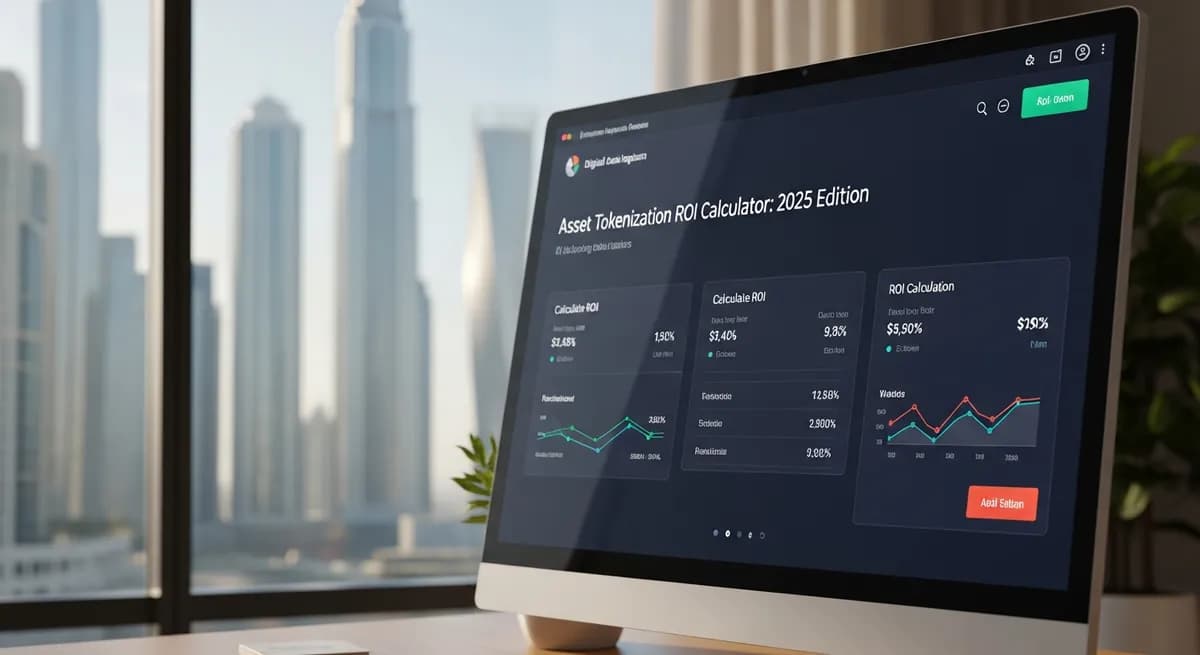
See our Asset Tokenization ROI Calculator: 2025 Edition for detailed ROI calculations.
White-Label vs. Build vs. Buy#
White-Label Solutions#
Pros:
- Faster time-to-market (3-6 months)
- Lower cost than building
- Regulatory compliance included
- Ongoing support and updates
Cons:
- Less customization
- Platform dependency
- Branding limitations
Best For: Financial institutions, asset managers wanting branded solutions
See White-Label Tokenization Platform: Build vs Buy Analysis for detailed comparison.
Building Your Own#
Pros:
- Complete control
- Full customization
- No platform fees
Cons:
- High upfront cost ($500K - $2M+)
- Long development time (12-24 months)
- Regulatory compliance complexity
- Ongoing maintenance
Best For: Large enterprises with significant technical resources
Buying/Using Existing Platform#
Pros:
- Fastest time-to-market (1-3 months)
- Lower cost
- Proven technology
- Regulatory compliance
Cons:
- Less customization
- Platform fees
- Dependency on vendor
Best For: Most enterprises, especially first-time tokenizers
Enterprise Requirements#
Must-Have Features#
1. Regulatory Compliance
- Multi-jurisdictional support
- KYC/AML automation
- Accredited investor verification
- Regulatory reporting
2. Security & Custody
- Institutional-grade custody
- Multi-signature wallets
- Insurance coverage
- Security audits
3. Scalability
- Handle large volumes
- Support multiple assets
- Global investor base
- High transaction throughput
4. Integration Capabilities
- API access
- CRM integration
- Accounting system integration
- Reporting tools
5. Support & Services
- Dedicated account management
- Technical support
- Legal/compliance guidance
- Training and onboarding
See Institutional Tokenization: Enterprise Platform Requirements for comprehensive requirements.
API Integration & Developer Tools#
API Capabilities#
Modern platforms offer RESTful APIs for:
- Asset management
- Investor onboarding
- Token issuance
- Secondary trading
- Reporting and analytics
Developer Resources#
- API documentation
- SDKs (Python, JavaScript, etc.)
- Sandbox environments
- Code examples
- Developer support
See Tokenization API Integration: Developer Documentation Guide for technical details.
Security & Compliance#
Security Features#
- Multi-signature wallets
- Cold storage
- Hardware security modules (HSM)
- Regular security audits
- Insurance coverage
Compliance Features#
- Automated KYC/AML
- Investor qualification
- Regulatory reporting
- Tax reporting (1099, etc.)
- Audit trails
See Smart Contract Security Audit Checklist for Tokenization for security best practices.
Common Questions (FAQ)#
Which platform is best for real estate tokenization?#
Pedex, Securitize, and Coinbase Asset Hub all support real estate. Pedex offers the most comprehensive real estate features and global reach.
What are typical platform fees?#
Annual platform fees range from 1-3% of assets under management, plus transaction fees of 0.5-1% per transaction.
Do I need technical expertise to use a platform?#
Full-service platforms require minimal technical expertise. Technology platforms require more technical knowledge.
Can I white-label a platform?#
Yes, several platforms (including Pedex) offer white-label solutions where you can brand the platform as your own.
How long does tokenization take?#
With a platform, tokenization typically takes 1-3 months from start to token sale, depending on regulatory requirements and asset complexity.
What regulatory approvals are needed?#
Requirements vary by jurisdiction and asset type. Most platforms handle regulatory compliance, but you may need specific licenses depending on your structure.
Complete Tokenization Platform Resource Hub#
This guide is your central hub for tokenization platform knowledge. Explore these in-depth resources:
🎯 Core Platform Analysis#
Platform Comparison & Selection:
- Tokenization Platform Comparison 2025 — Detailed feature and pricing matrix
- Best Tokenization Platforms 2025: Buyer's Guide — Comprehensive buyer's guide
- How to Choose a Tokenization Platform: 15 Factors — Complete selection framework
- Best Platforms by Use Case — Platform recommendations by asset type
vs Traditional Finance:
- Tokenization Platforms vs Traditional Finance — Strategic infrastructure comparison
💰 Financial Analysis & ROI#
Cost & ROI Modeling:
- ROI & Financial Modeling for Tokenization Platforms — Complete TCO, NPV, IRR analysis
- Enterprise Tokenization Costs 2025 — Detailed cost breakdown with hidden fees
- Asset Tokenization ROI Calculator — Interactive ROI modeling
🔒 Security, Custody & Compliance#
Deep-Dive Authority Guides:
- Custody Models in Tokenization Platforms — Self, third-party, and hybrid custody solutions
- Tokenization Platforms Regulatory Landscape 2025 — Global compliance framework (US, EU, UAE, Singapore, APAC)
- Platform Security for Investors — Security evaluation guide
🏗️ Technical Architecture#
Developer & Technical Resources:
- Platform Architecture: Smart Contracts to Custody — Technical deep-dive
- Tokenization API Integration Guide — Developer documentation
- Smart Contract Security Audit Checklist — Audit requirements
⚠️ Risk Management & Due Diligence#
Failure Analysis & Red Flags:
- Why Tokenization Platforms Fail — Real case studies, lessons learned, red flags
🎬 Visual Learning#
Video Demonstrations:
- Tokenization Platforms Video Guide 2025 — Live demos, walkthroughs, comparisons
🏢 Enterprise Implementation#
Specialized Enterprise Guides:
- Institutional Tokenization: Enterprise Requirements — Must-have features
- White-Label Platform: Build vs Buy — Build vs buy analysis
Next Steps#
- Evaluate Your Needs: Use our Choosing Assets to Tokenize: Decision Framework
- Calculate ROI: Deep-dive our ROI & Financial Modeling Guide
- Understand Costs: Review Enterprise Tokenization Costs 2025
- Assess Compliance: Read Regulatory Landscape 2025
- Evaluate Security: Study Custody Models Guide
- Learn from Failures: Review Why Platforms Fail
- Watch Demos: Explore Video Guide 2025
Ready to tokenize your assets?
Talk to our enterprise team about your tokenization project. We'll help you choose the right platform, navigate regulations, and launch your tokenized asset offering.
This guide is for informational purposes only. Platform features and pricing are subject to change. Always verify current offerings directly with platforms.