
Best Tokenization Platforms by Use Case: Real Estate, Funds, Equity & Debt
Not all tokenization platforms excel at every asset type. Platforms optimize for specific use cases—some dominate real estate, others specialize in private equity or debt instruments.
This guide matches platforms to asset types, helping you select the optimal platform for your specific tokenization project based on proven success in your industry.
Enterprise Platform Guide: For comprehensive platform comparison, see Best Tokenization Platforms 2025: Enterprise Guide.
Table of Contents#
- Platform Specialization Matrix
- Real Estate Tokenization
- Private Equity Funds
- Venture Capital
- Debt Instruments
- Infrastructure Assets
- Commodities
- Art & Collectibles
- Revenue-Generating Assets
- Cross-Asset Portfolios
- Platform Selection by Region
- Use Case Decision Framework
Platform Specialization Matrix#
Platform Strengths by Asset Type#
| Platform | Real Estate | PE Funds | VC/Equity | Debt | Infrastructure | Commodities |
|---|---|---|---|---|---|---|
| Pedex | ★★★★★ | ★★★★☆ | ★★★★☆ | ★★★★☆ | ★★★★★ | ★★★☆☆ |
| Securitize | ★★★★☆ | ★★★★★ | ★★★★★ | ★★★☆☆ | ★★★☆☆ | ★☆☆☆☆ |
| Polymath | ★★★☆☆ | ★★★★☆ | ★★★★☆ | ★★★★☆ | ★★★☆☆ | ★★☆☆☆ |
| Coinbase | ★★☆☆☆ | ★★★☆☆ | ★★★★☆ | ★★☆☆☆ | ★☆☆☆☆ | ★★★★☆ |
| tZERO | ★★★★☆ | ★★★☆☆ | ★★★☆☆ | ★★★★☆ | ★★☆☆☆ | ★★☆☆☆ |
| Tokeny | ★★★☆☆ | ★★★★★ | ★★★★☆ | ★★★★☆ | ★★☆☆☆ | ★☆☆☆☆ |
Success Track Record#
| Asset Type | Most Successful Platform | # of Deals | Total Value |
|---|---|---|---|
| Real Estate | Pedex, RealT, Securitize | 500+ | $5B+ |
| Private Equity | Securitize, Tokeny | 150+ | $8B+ |
| VC/Startup Equity | Securitize, Republic | 300+ | $2B+ |
| Debt/Bonds | Polymath, Securitize | 100+ | $3B+ |
| Infrastructure | Pedex, Swarm | 50+ | $1.5B+ |
| Commodities | Paxos, Tether Gold | 200+ | $10B+ |
Real Estate Tokenization#
Platform Comparison for Real Estate#
| Platform | Best For | Strengths | Pricing |
|---|---|---|---|
| Pedex | Global RE, emerging markets | Multi-jurisdiction, Dubai focus | $50K-200K setup |
| RealT | US residential | High volume, low costs | $10K-50K setup |
| Securitize | US commercial, institutional | Regulatory strength | $100K-300K setup |
| Harbor | Large US properties | Reg D expertise | $75K-200K setup |
Real Estate Requirements#
Critical Platform Features:
- Property management integration
- Rental income distribution automation
- Property insurance tracking
- Maintenance reserve management
- Exit event handling (sale, refinance)
- Fractional ownership support
Real Estate Success Factors#
Property Type Performance:
| Property Type | Tokenization Success Rate | Best Platform |
|---|---|---|
| Commercial RE | 85% | Pedex, Securitize |
| Residential Multi-family | 75% | RealT, Lofty |
| Luxury Residential | 60% | Pedex, Elevated Returns |
| Industrial/Logistics | 70% | Pedex, Warehouse tokenization |
| Land | 45% | Varies (lower demand) |
Optimal Size: $10M-$100M per property
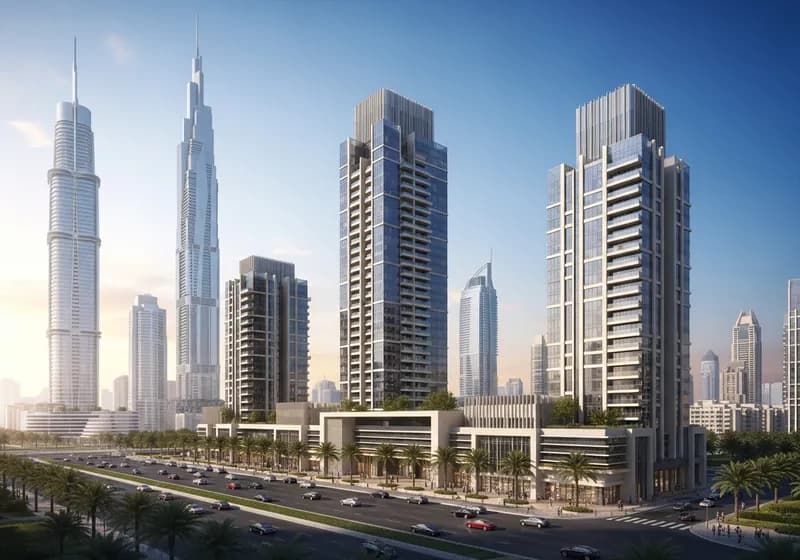
Case Study: $40M Dubai Commercial Property
- Platform: Pedex (DIFC licensed)
- Investors: 320 (global, min $50K)
- Time to close: 3 months
- Secondary trading: Active (15% annual volume)
- Result: Successful, 18% liquidity premium
For regional RE guides, see Dubai Real Estate Tokenization.
Private Equity Funds#
Platform Comparison for PE Funds#
| Platform | Best For | Key Strength | Typical Cost |
|---|---|---|---|
| Securitize | US PE, institutional | SEC relationships | 2-3% AUM |
| Tokeny | EU PE funds | MiCA compliance | 1.5-2.5% AUM |
| Pedex | Global PE, emerging mkts | Multi-jurisdiction | 1.5-2% AUM |
| INX | Hybrid PE/VC | Regulated exchange | 2-2.5% AUM |
PE Fund Requirements#
Must-Have Features:
- NAV calculation automation
- Capital call management
- Carried interest distribution
- Waterfall calculations
- LP/GP portal separation
- K-1 tax reporting (US)
- Secondary transfer restrictions
PE Tokenization Economics#
Fund Size Analysis:
| Fund Size | Tokenization Viable? | Recommended Platform | 5yr TCO |
|---|---|---|---|
| $10M-$50M | Marginal | Consider pooling | $1.5M-3M |
| $50M-$200M | Yes | Securitize, Pedex | $3M-8M |
| $200M-$500M | Strong Yes | Securitize, Tokeny | $8M-18M |
| >$500M | Traditional better | — | — |
Case Study: $150M PE Fund (European Real Estate)
- Platform: Tokeny (Luxembourg)
- Structure: Reserved AIF (AIFMD)
- Investors: 180 qualified investors (EU + MENA)
- Tokenized: Fund interests (LP shares)
- Result: 40% faster capital raise, 60% lower admin costs
Venture Capital#
Platform Comparison for VC/Startup Equity#
| Platform | Focus | Regulatory | Best For |
|---|---|---|---|
| Securitize | US startup equity | Reg D, Reg A+ | Series A-C tokenization |
| Republic | Crowdfunded equity | Reg CF, Reg A+ | Early-stage ($1M-$5M) |
| StartEngine | Retail equity crowdfunding | Reg CF | <$5M raises |
| Pedex | Global startup equity | Multi-jurisdiction | Emerging market startups |
VC/Startup Considerations#
When Tokenization Makes Sense: ✅ Post-Series A (proven business model) ✅ Need for liquidity before exit ✅ Global investor base desired ✅ Crypto-native or fintech companies
When Tokenization is Premature: ❌ Pre-revenue startups ❌ Traditional industries with conservative investors ❌ Near-term IPO/acquisition expected
Equity Token Requirements#
- Cap table management
- Vesting schedule enforcement
- Voting rights automation
- Information rights tracking
- Exit event management
- 409A valuation integration
Case Study: Fintech Startup ($20M valuation, Series B)
- Platform: Securitize
- Offering: $8M Reg D
- Investors: 150 accredited (US + international)
- Use of Funds: Growth capital
- Result: Successful raise, created secondary liquidity for early employees
For startup tokenization strategies, see Startup Equity Tokenization Guide.
Debt Instruments#
Platform Comparison for Debt#
| Platform | Debt Type | Strength | Best Geography |
|---|---|---|---|
| Polymath | Corporate bonds | Developer-friendly | Global |
| Securitize | Convertible notes | US regulatory | US |
| Pedex | Revenue bonds, Sukuk | Islamic finance | MENA, global |
| OpenFinance | Secondary debt trading | Liquidity | US |
Debt Token Requirements#
Bond Features:
- Coupon payment automation
- Maturity date enforcement
- Default handling
- Seniority/subordination
- Covenant monitoring
- Call/put option implementation
Islamic Finance (Sukuk):
- Shariah compliance certification
- Profit-loss sharing mechanisms
- Asset-backed structure
- No interest (riba) calculations
Debt Tokenization Economics#
Efficiency Comparison:
| Metric | Traditional Bond | Tokenized Bond | Improvement |
|---|---|---|---|
| Issuance Cost | 3-5% | 1-2% | 50-67% savings |
| Minimum | $100K-500K | $1K-10K | 95-99% lower |
| Settlement | T+2 to T+5 | Instant | 100x faster |
| Coupon Payment | Quarterly (manual) | Automated | Real-time |
| Secondary Trading | Illiquid | 24/7 | Liquid |
Case Study: $50M Corporate Bond (UAE Company)
- Platform: Pedex (DIFC)
- Structure: 5-year bond, 7% coupon
- Investors: 250 (GCC + international)
- Settlement: Instant vs T+3 traditional
- Result: $1.5M issuance cost savings, better terms due to broader investor base
Infrastructure Assets#
Platform Comparison for Infrastructure#
| Platform | Infrastructure Type | Geographic Focus | Strength |
|---|---|---|---|
| Pedex | Logistics, transport, energy | Global, MENA strong | Multi-asset |
| Swarm | Renewable energy | US, EU | Sector specialist |
| Elevated Returns | Hospitality | US | Niche focus |
Infrastructure Tokenization Benefits#
Why Infrastructure Suits Tokenization:
- Long-term revenue streams (PPP, concessions)
- High capital requirements
- Predictable cash flows
- Government/municipal projects
- Cross-border appeal
Platform Requirements:
- Revenue tracking (tolls, energy sales, etc.)
- Long-term distribution management (10-30 years)
- Government stakeholder portals
- Regulatory reporting (sector-specific)
- Environmental/social metrics (ESG)
Case Study: $200M Solar Farm Tokenization
- Platform: Swarm Markets
- Structure: Revenue-sharing tokens
- Investors: 1,200 retail + institutional
- Revenue: Energy sales (25-year PPA)
- Result: $180M raised in 5 months (vs 14 months traditional)
Commodities#
Platform Comparison for Commodities#
| Platform | Commodity Focus | Blockchain | Target Market |
|---|---|---|---|
| Paxos | Gold (PAXG) | Ethereum | Global, regulated |
| Tether Gold | Gold (XAUt) | Ethereum, Tron | Global |
| UPRETS | Diamonds | Ethereum | Luxury market |
| AgriDigital | Agricultural | Ethereum | Supply chain |
Commodity Token Requirements#
- Physical asset verification
- Storage/warehouse integration
- Quality certificates
- Redemption mechanisms
- Spot price oracles
- Delivery logistics
Commodity Tokenization Success#
High Success Rates:
- Gold: 95%+ success (proven demand)
- Diamonds: 70% (luxury market)
- Agricultural: 60% (supply chain use case)
Challenges:
- Physical redemption complexity
- Storage costs
- Quality variation
- Spot price volatility
Cross-Asset Portfolios#
Multi-Asset Tokenization#
Some enterprises tokenize portfolios containing multiple asset types:
Example Portfolio:
- 40% Real Estate
- 30% Private Equity
- 20% Debt Instruments
- 10% Infrastructure
Platform Requirements:
- Multi-asset support
- Flexible token structures
- Asset-specific compliance
- Portfolio rebalancing
Best Platforms for Cross-Asset:
- Pedex: Broadest asset type support
- Securitize: Securities-focused but flexible
- Polymath: Customizable for multiple types
Platform Selection by Region#
Geographic Optimization#
GCC/MENA Region:
- Best: Pedex (VARA, DIFC licensed)
- Runner-up: Securitize (global reach)
- Asset Types: Real estate, infrastructure, Islamic finance
United States:
- Best: Securitize (SEC relationships)
- Runner-up: tZERO (secondary trading)
- Asset Types: Private equity, VC, debt
European Union:
- Best: Tokeny (MiCA compliant)
- Runner-up: Securitize (global)
- Asset Types: Funds, securities, real estate
Asia-Pacific:
- Best: Pedex (Singapore licensed)
- Runner-up: Tokeny
- Asset Types: Real estate, infrastructure
Emerging Markets (Africa, LatAm):
- Best: Pedex (emerging market focus)
- Alternative: Stellar (cost-efficient)
- Asset Types: Infrastructure, agriculture, real estate
Use Case Decision Framework#
Step-by-Step Selection#
Step 1: Identify Asset Type
Real Estate? → Section 2
Private Equity? → Section 3
Venture Capital? → Section 4
Debt? → Section 5
Infrastructure? → Section 6
Commodities? → Section 7
Art/Collectibles? → Section 8
Mixed Portfolio? → Section 10
Step 2: Determine Geography
- Primary jurisdiction?
- Target investor locations?
- Regulatory requirements?
Step 3: Assess Asset Size
- <$10M: Consider pooling or waiting
- $10M-$100M: Ideal for tokenization
-
$100M: Platform must have enterprise capabilities
Step 4: Evaluate Platform Track Record
- Has platform tokenized similar assets?
- Success rate in your asset class?
- Customer references available?
Step 5: Compare Costs
- Request detailed quotes from 2-3 platforms
- Compare all-in 5-year costs
- Consider hidden fees
For detailed cost analysis, see Enterprise Tokenization Costs Guide.
Quick Selection Guide#
If You're Tokenizing...#
$50M Commercial Real Estate in Dubai: → Pedex (DIFC licensed, MENA focus, RE expertise)
$150M US Private Equity Fund: → Securitize (SEC relationships, PE track record)
$20M European SaaS Company Equity: → Tokeny (EU compliance, startup-friendly)
$75M Infrastructure Project (PPP): → Pedex (infrastructure experience, long-term distributions)
$30M Corporate Bond Offering: → Polymath (debt expertise, flexible)
$100M Portfolio (Mixed Assets): → Pedex (multi-asset support)
$5M Startup Equity (Series A): → Republic or StartEngine (Reg CF, lower costs)
Frequently Asked Questions#
Can one platform handle multiple asset types?#
Yes, but specialization matters. Pedex and Securitize handle multiple types well. Niche platforms (RealT, Paxos) excel in specific verticals but can't handle diverse portfolios.
Should I use the platform my competitors use?#
Not necessarily. Choose based on your specific needs (geography, asset type, investor base), not competitor behavior. Platform differentiation can be strategic advantage.
What if my asset type isn't common?#
For unique assets (art, collectibles, IP), look for:
- Platforms with custom development services
- Open-source/API-first platforms (Polymath)
- White-label options (build your own flow)
Can I switch platforms if asset type changes?#
Technically yes, but expensive ($500K-$2M migration). Better to choose platforms with multi-asset support from the start if you anticipate portfolio expansion.
Do platforms specialize by investor type too?#
Yes:
- Retail-focused: Republic, StartEngine
- Accredited: Most platforms
- Institutional: Securitize, Coinbase, Pedex
Match platform to your target investor sophistication.
Related Resources#
Platform Selection#
- Best Tokenization Platforms 2025: Enterprise Guide — Complete platform comparison
- Platform Comparison 2025 — Feature comparison matrix
- How to Choose: 15 Factors — Selection framework
Financial Analysis#
- ROI & Financial Modeling — ROI by asset type
- Enterprise Costs Guide — Cost breakdown
- vs Traditional Finance — When to tokenize
Risk Management#
- Why Platforms Fail — Due diligence lessons
- Regulatory Landscape — Compliance by asset type
- Custody Models — Asset security
Asset-Specific Guides#
- Real Estate Tokenization Guide — Complete RE guide
- Commercial RE Tokenization — CRE focus
- Startup Equity Tokenization — VC/equity guide
Conclusion#
Platform selection must align with asset type, geography, and investor base. Key takeaways:
- Specialization matters: Niche platforms often outperform generalists in specific verticals
- Track record essential: Choose platforms with proven success in your asset class
- Geography drives choice: Regulatory licensing determines viability
- Multi-asset needs: Select platforms with broad capabilities if portfolio will diversify
- Investor type: Match platform to target investor sophistication
Ready to find your optimal platform?
Schedule Use Case Consultation →
Platform capabilities evolve rapidly. Verify current features and track records directly with platforms before committing.