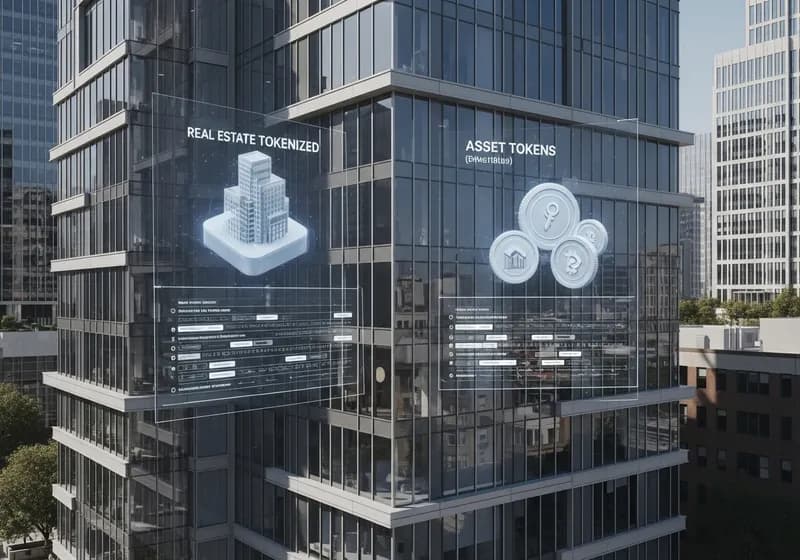


Tokenizing Real-World Assets: Real Estate, Supply Chain & Finance in 2025
Real-world asset (RWA) tokenization is transforming how we own, trade, and finance physical assets. From commercial real estate to supply chain finance, tokenization is unlocking liquidity, enabling fractional ownership, and creating new investment opportunities.
This comprehensive guide covers all major RWA categories, their tokenization use cases, benefits, and implementation strategies.
For comprehensive understanding, explore our Ultimate Guide to Tokenization and RWA, which provides foundational knowledge across all tokenization topics. New to RWAs? Start with our beginner-friendly guide: What are RWAs? Real World Assets Crypto Explained. Ready to invest? See our complete How to Invest in Tokenized Real World Assets guide.
Table of Contents#
- What Are Real-World Assets?
- Real Estate Tokenization
- Logistics & Supply Chain Tokenization
- Financial Assets Tokenization
- FMCG & Brand Tokenization
- Tech Startups & Equity Tokenization
- DeFi & RWA Protocols
- Use Cases & Case Studies
- Implementation Strategies
- Common Questions
What Are Real-World Assets?#
Real-world assets (RWAs) are physical or traditional financial assets that exist outside the blockchain but are represented by digital tokens. RWAs include:
- Real Estate: Properties, land, REITs
- Commodities: Precious metals, energy, agricultural products
- Securities: Stocks, bonds, private equity
- Infrastructure: Roads, utilities, renewable energy
- Intellectual Property: Patents, royalties, brand licensing
- Art & Collectibles: Fine art, rare collectibles
- Logistics Assets: Vehicles, warehouses, equipment
- Financial Instruments: Invoices, receivables, loans
Benefits of Tokenizing RWAs#
1. Liquidity
- Convert illiquid assets into tradeable tokens
- Access to global secondary markets
- 24/7 trading availability
2. Fractional Ownership
- Lower investment minimums
- Access to premium assets
- Diversification opportunities
3. Transparency
- Blockchain-based ownership records
- Real-time performance tracking
- Automated reporting
4. Efficiency
- Automated distributions
- Reduced intermediaries
- Lower transaction costs
5. Global Access
- Reach international investors
- Cross-border transactions
- Currency flexibility
Real Estate Tokenization#
Asset Types#
Commercial Real Estate:
- Office buildings
- Retail centers
- Industrial warehouses
- Hotels and hospitality
Residential Real Estate:
- Apartment buildings
- Single-family homes
- Condominiums
- Student housing
Land & Development:
- Raw land
- Development projects
- Agricultural land
REITs:
- Real estate investment trusts
- Tokenized REIT shares
Use Cases#
1. Property Development
- Raise capital for development projects
- Enable fractional ownership
- Provide exit liquidity
2. Portfolio Diversification
- Tokenize property portfolios
- Enable retail investor access
- Improve liquidity
3. Estate Planning
- Fractionalize inheritance
- Enable family ownership
- Simplify transfers
See our guides:
- Real Estate Tokenization Guide
- Commercial Real Estate Tokenization 2025
- Residential Property Fractionalization: How It Works
- REITs vs Tokenized Real Estate 2025
- Real Estate Tokenization in Dubai: Regulatory Guide
Logistics & Supply Chain Tokenization#
Asset Types#
Vehicles:
- Trucks and commercial vehicles
- Shipping containers
- Aircraft
- Railcars
Warehouses & Facilities:
- Distribution centers
- Cold storage facilities
- Manufacturing plants
Equipment:
- Heavy machinery
- Manufacturing equipment
- Logistics equipment
Use Cases#
1. Asset Financing
- Tokenize logistics assets
- Enable fractional ownership
- Improve access to capital
2. Supply Chain Finance
- Tokenize invoices and receivables
- Enable early payment
- Improve cash flow
3. Container Shipping
- Tokenize shipping containers
- Enable investment in trade
- Democratize shipping finance
See our guides:
- Tokenizing Logistics Assets: Vehicles, Warehouses, Equipment
- Supply Chain Finance Through Tokenization
- Container Shipping Tokenization: Democratizing Trade
Financial Assets Tokenization#
Asset Types#
Private Credit:
- Corporate loans
- Consumer loans
- Trade finance
Investment Funds:
- Private equity funds
- Venture capital funds
- Hedge funds
Invoice Financing:
- Accounts receivable
- Trade receivables
- Invoice factoring
Bonds:
- Corporate bonds
- Government bonds
- Municipal bonds
Use Cases#
1. Private Credit
- Tokenize loan portfolios
- Enable fractional ownership
- Improve liquidity
2. Fund Tokenization
- Tokenize fund interests
- Enable secondary trading
- Lower minimum investments
3. Invoice Financing
- Tokenize receivables
- Enable early payment
- Improve SME cash flow
See our guides:
- Private Credit Tokenization: The Future of Lending
- Tokenized Investment Funds: Structure & Compliance
- Invoice Financing Tokenization: SME Guide
FMCG & Brand Tokenization#
Asset Types#
Consumer Brands:
- Brand IP and licensing
- Product authentication
- Inventory and supply chain
Product Authentication:
- Anti-counterfeiting
- Supply chain tracking
- Consumer verification
Use Cases#
1. Brand IP Tokenization
- Tokenize brand licensing rights
- Enable fractional ownership
- Create new revenue streams
2. Product Authentication
- NFT-based authentication
- Combat counterfeiting
- Supply chain transparency
See our guides:
Tech Startups & Equity Tokenization#
Asset Types#
Startup Equity:
- Common stock
- Preferred stock
- SAFE agreements
Employee Stock Options:
- ESOPs
- Stock options
- Equity compensation
Secondary Markets:
- Pre-IPO shares
- Private equity
- Venture capital
Use Cases#
1. Fundraising
- Tokenize equity offerings
- Enable global investor access
- Lower minimum investments
2. Employee Compensation
- Tokenize stock options
- Enable liquidity for employees
- Improve retention
3. Secondary Trading
- Enable pre-IPO trading
- Provide exit liquidity
- Improve price discovery
See our guides:
- Startup Equity Tokenization: Future of Fundraising
- Employee Stock Options on Blockchain: Complete Guide
- Secondary Market for Startup Equity Tokens
DeFi & RWA Protocols#
RWA DeFi Integration#
1. Lending Protocols
- Use RWAs as collateral
- Enable borrowing against assets
- Improve capital efficiency
2. Yield Generation
- Tokenize income-producing assets
- Enable yield farming
- Create DeFi products
3. Liquidity Pools
- Create RWA liquidity pools
- Enable trading
- Improve market depth
See our guides:
Use Cases & Case Studies#
Real Estate Case Studies#
Commercial Property Tokenization:
- $50M office building tokenized into 50,000 tokens
- $1,000 minimum investment
- 8% annual yield
- 24/7 secondary trading
Residential Portfolio:
- 100-unit apartment building tokenized
- $500 minimum investment
- Monthly rental distributions
- Global investor access
Supply Chain Case Studies#
Container Shipping:
- 1,000 containers tokenized
- $100 minimum investment
- Trade revenue sharing
- Improved shipping finance
Invoice Financing:
- $10M receivables tokenized
- SME early payment access
- 12% annual yield
- Automated settlements
See Tokenization Case Studies & Success Stories for more examples.
Implementation Strategies#
Step 1: Asset Selection#
Choose assets that:
- Have clear value
- Generate income or appreciate
- Have legal clarity
- Are suitable for fractionalization
See Choosing Assets to Tokenize: Decision Framework.
Step 2: Legal Structure#
- Establish SPV or trust
- Ensure regulatory compliance
- Set up governance mechanisms
- Define investor rights
Step 3: Technology Setup#
- Choose blockchain network
- Deploy smart contracts
- Set up custody solutions
- Implement KYC/AML
Step 4: Token Offering#
- Market to investors
- Complete KYC/AML
- Execute token sale
- Distribute tokens
Step 5: Ongoing Management#
- Track performance
- Distribute income
- Manage secondary trading
- Report to investors
Common Questions (FAQ)#
What assets can be tokenized?#
Most income-producing or appreciating assets can be tokenized: real estate, securities, commodities, infrastructure, IP, and more.
What are the benefits of tokenizing RWAs?#
Liquidity, fractional ownership, transparency, efficiency, and global access.
How do I tokenize my assets?#
Work with a tokenization platform, establish legal structure, deploy smart contracts, and conduct token offering.
What are the regulatory requirements?#
Vary by jurisdiction and asset type. Most RWAs are treated as securities and subject to securities regulations.
Can retail investors participate?#
Yes, in many jurisdictions through Regulation A+ (US), MiCA (EU), or similar frameworks.
Next Steps#
- Choose Asset Type: Review different RWA categories
- Understand Use Cases: See case studies and examples
- Plan Implementation: Use decision frameworks
- Select Platform: Choose tokenization platform
- Execute Tokenization: Launch your tokenized asset
Recommended Reading:
- Real Estate Tokenization Guide
- Tokenizing Logistics Assets
- Private Credit Tokenization
- Startup Equity Tokenization
- RWA DeFi Protocols Guide
See how different asset classes benefit from tokenization
Explore use cases and see how real estate, logistics, financial assets, and more can be tokenized to unlock liquidity and enable fractional ownership.
This guide is for informational purposes only. Tokenization involves legal, regulatory, and technical complexities. Always consult with qualified advisors.