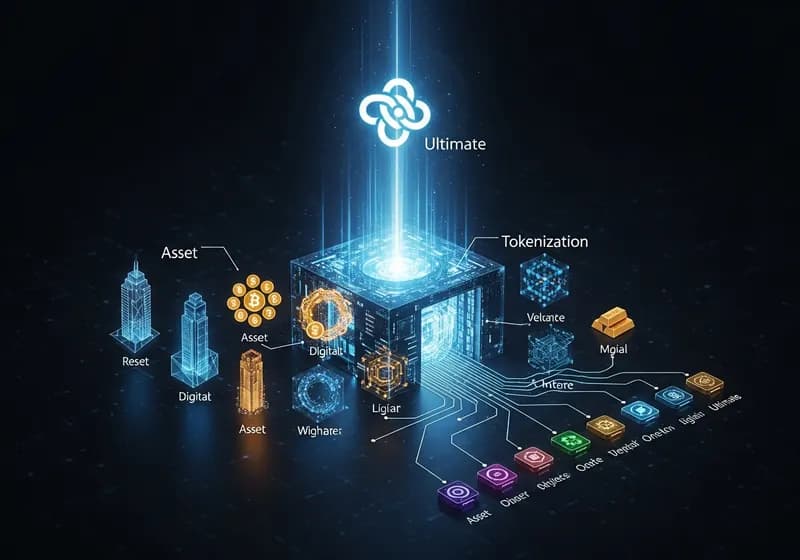
What Is Asset Tokenization and Why Is It the Future of Investing?
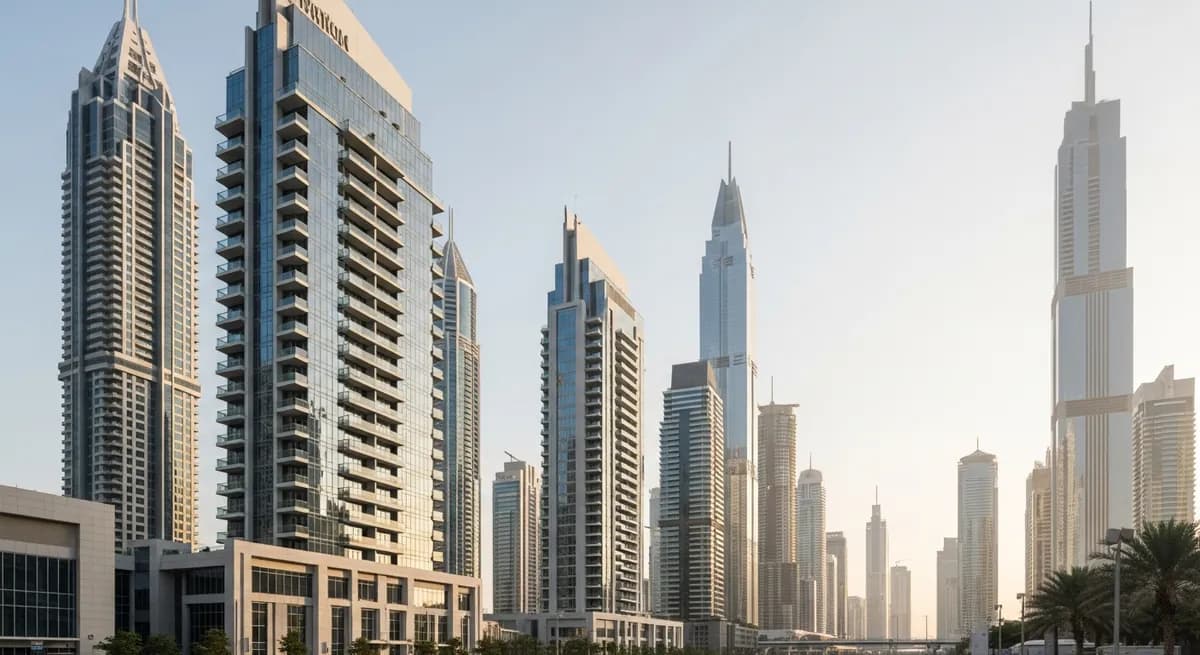
Imagine owning a small slice of a Dubai skyscraper with just $100. Or putting $500 into a solar farm in Europe without leaving your home. That’s not a fantasy anymore—that’s asset tokenization.
Tokenization in Simple Terms#
Definition#
Tokenization means converting a real-world asset into digital pieces (tokens) that can be bought and sold.
Everyday Analogy#
Pizza:
- One whole pizza = $100
- 8 slices = $12.50 per slice
- You buy 2 slices = you own 25% of the pizza
Tokenized property:
- One apartment = $1,000,000
- 10,000 tokens = $100 per token
- You buy 10 tokens = you own 0.1% of the apartment
Key difference: The token is digital and recorded on the blockchain.
How Does It Work?#
Step 1: A Real Asset Is Acquired#
A regulated, reputable company:
- Buys a property
- Or launches a project
- Or acquires gold or other assets
Step 2: The Asset Is Converted Into Tokens#
- The asset is divided into thousands of tokens
- Each token = a small share of the asset
- All tokens are recorded on the blockchain
Step 3: Tokens Are Sold to Investors#
- You buy tokens through a platform
- Tokens are stored in your digital wallet
- You legally own a fraction of the underlying asset
Step 4: You Receive Income#
- Rental income from the property is pooled
- Or project profits are pooled
- Income is distributed to token holders based on how many tokens they own
Step 5: You Can Exit (Optional)#
- Whenever you want, you can sell your tokens
- Either on a secondary market or back to the platform, depending on structure
Why Is Tokenization Revolutionary?#
1. Democratizing Investing#
Before tokenization:
- A Dubai property might require a minimum of $500,000
- Only high-net-worth individuals and institutions could participate
With tokenization:
- The same Dubai asset can be accessed from as low as $100
- Ordinary investors can participate in premium assets
2. Much Higher Liquidity#
Traditional property:
- Selling can take 3–6 months
- You need to find a buyer for the whole asset
Tokenized property:
- Selling can take days instead of months
- The market for tokens can be active around the clock
3. Easy Diversification#
Before:
- You either bought real estate or gold
- Building a diversified portfolio with small capital was very hard
Now:
- With $1,000 you could split:
- $300 into a Dubai property
- $300 into a European project
- $200 into gold
- $200 into a diversified tokenized fund
4. Blockchain Transparency#
Traditional system:
- You don’t really see where your money is
- You must trust multiple intermediaries blindly
On blockchain:
- All transactions are recorded
- Ownership is traceable
- Records are tamper‑resistant
5. Global Access#
Before:
- To buy Dubai real estate, you typically had to be there physically
- You often needed a local bank account and complex paperwork
Now:
- From Iran, Afghanistan, or anywhere else
- You can invest with just a smartphone and an internet connection (subject to regulations)
What Types of Assets Can Be Tokenized?#
1. Real Estate#
- Residential apartments
- Office buildings
- Hotels
- Warehouses and logistics facilities
Return profile: rental income + capital appreciation
2. Gold and Precious Metals#
- Gold bars
- Silver
- Platinum and other metals
Return profile: primarily price appreciation over time
3. Infrastructure Projects#
- Solar power plants
- Transport and logistics projects
- Data centers
Return profile: project cash flows shared with token holders
4. Art and Collectibles#
- Paintings and fine art
- Classic cars
- Digital collectibles and NFTs
Return profile: value appreciation on rare, scarce assets
5. Businesses#
- Startup equity
- Private company shares
Return profile: dividends + long‑term growth in equity value
Traditional vs. Tokenized: A Comparison#
| Metric | Traditional Model | Tokenized Model |
|---|---|---|
| Minimum capital | $100,000+ | From $100 |
| Liquidity | Months to exit | Days to exit (in many cases) |
| Diversification | Hard with small sums | Easy, even with small tickets |
| Transparency | Low | High (on‑chain records) |
| Global access | Limited | Borderless (within compliance) |
| Transaction costs | High | Lower |
| Asset management | Operationally heavy | Largely handled by platform |
Is Tokenization Safe?#
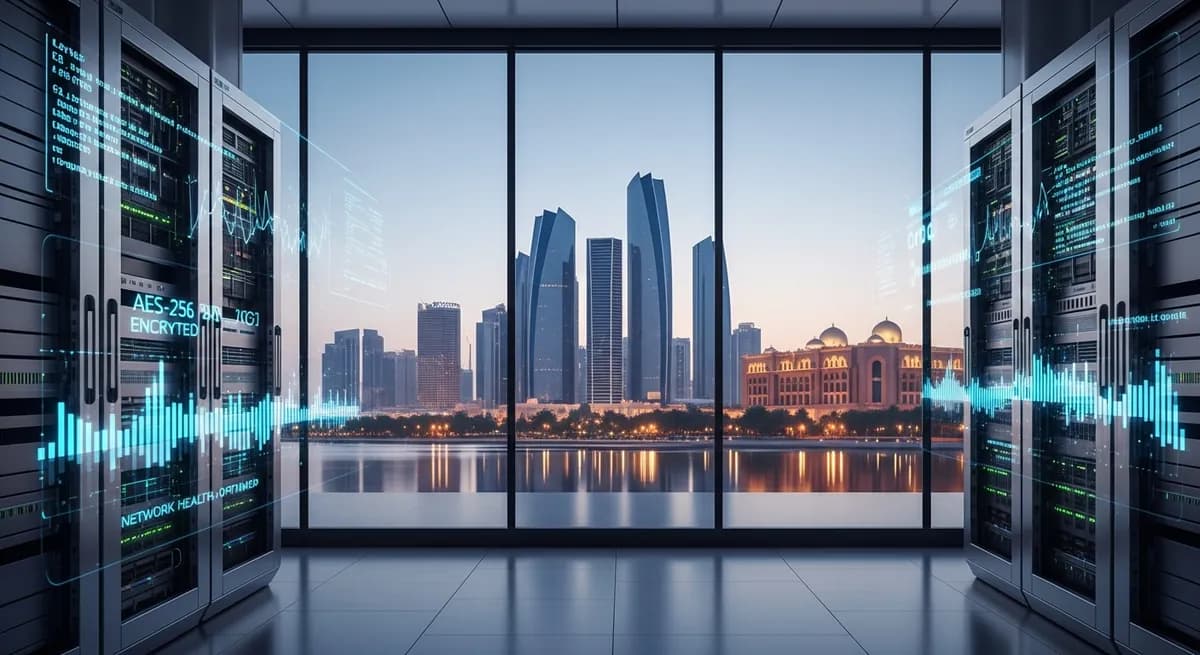
Blockchain Security#
- Immutability: once records are written to the chain, they cannot be arbitrarily altered
- Distributed storage: data is stored across thousands of nodes
- Cryptography: state‑of‑the‑art cryptographic primitives secure transactions and balances
Key Risks (and Mitigations)#
| Risk | Mitigation |
|---|---|
| Fraudulent platforms | Use only regulated, reputable platforms |
| Asset price declines | Diversify, focus on long‑term investing |
| Wallet hacks | Use secure wallets, strong passwords, 2FA |
Global Tokenization Stats#
Market Size (Estimates)#
| Year | Estimated Market Size |
|---|---|
| 2020 | $3 billion |
| 2023 | $30 billion |
| 2025 | $100 billion (projected) |
| 2030 | $1 trillion (projected) |
Major Institutions Moving In#
- BlackRock: the world’s largest asset manager is building tokenization initiatives
- JPMorgan: launched institutional tokenization platforms
- Goldman Sachs: investing in tokenization projects
- Fidelity: offering digital asset and tokenization services
Signal: when the largest financial institutions in the world are entering a space, it’s not a fad—it’s a structural shift.
Why Tokenization Matters for Persian‑Speaking Investors#
Why It’s Important#
- Access to global markets without traditional geographic barriers
- Protection against inflation by holding dollar‑denominated or real‑asset exposure
- Diversification with relatively small amounts of capital
- Real positive returns instead of negative real yields in many local banking systems
How to Get Started#
- Sign up on a reputable, regulated platform
- Complete identity verification (KYC)
- Deposit funds (often from as low as $100)
- Choose an underlying asset or strategy
- Buy tokens
- Receive periodic income or hold for long‑term growth
Frequently Asked Questions#
Is tokenization legal?#
In many jurisdictions, yes—provided platforms operate under proper licenses and follow securities and digital‑asset regulations.
How is a token different from Bitcoin?#
- Bitcoin: a decentralized digital currency with no direct physical backing
- Asset‑backed token: represents legal rights to a real‑world asset (property, project, gold, etc.)
What happens if the platform goes bankrupt?#
On well‑structured, regulated platforms, the underlying assets are held in segregated legal entities or custodial structures, separate from the company balance sheet. That means your ownership claim over the asset remains intact even if the platform fails.
Is income from tokenized assets halal?#
If the underlying asset and structure are halal (e.g. real estate, productive projects, Shariah‑compliant contracts), then the resulting profit can be halal. Always check the specific structure and, if needed, seek scholarly guidance.
For a deeper dive, see our dedicated article: /fa/blog/dollar-profit-halal (Persian).
Summary#
| Question | Answer |
|---|---|
| What is tokenization? | Converting real‑world assets into digital tokens |
| Why does it matter? | It democratizes and globalizes access to investment |
| Is it safe? | Yes, when using regulated platforms and best habits |
| What’s the outlook? | A market projected to reach $1T+ by 2030 |
Next Step#
Ready to step into the future of investing?
Master This Topic
You've learned the fundamentals. Now explore related guides and case studies to deepen your understanding.
Related Reading#
- How to Start Investing Globally with Just $100
- Are Tokenized Assets Safer Than Keeping Money in the Bank?
- Is Earning in Dollars Haram? Full Analysis
This article is for educational purposes only and does not constitute financial advice.